

Quanser Quanser Physical AI Lab
Quanser Physical AI Lab
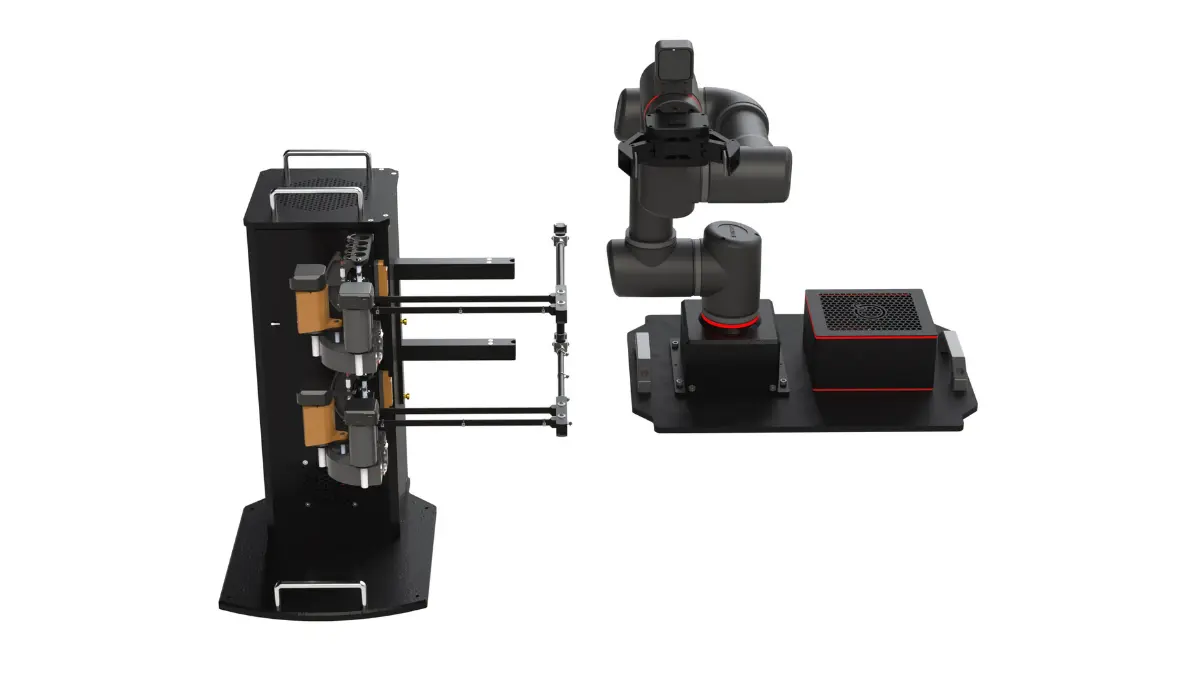
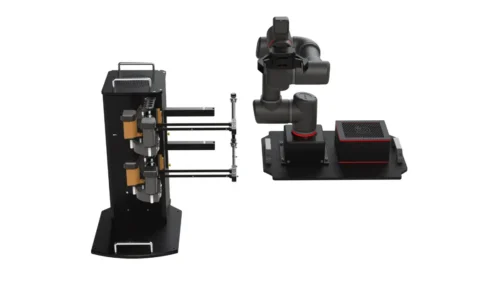
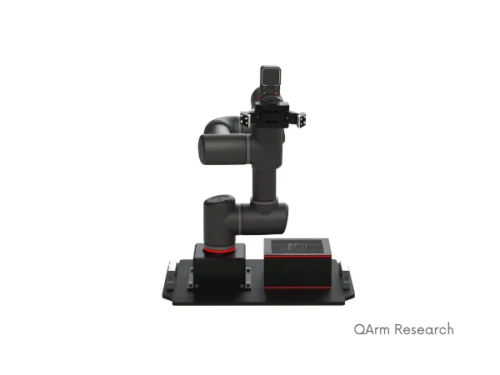
Physical AI Lab is a comprehensive research platform designed for Robotics, Applied AI, and Physical AI. The solution integrates the QArm Research manipulator, NVIDIA-based QBrain edge computing unit, Haptic Robot, force/torque sensing, and a rich collection of ready-to-use applications. With fully integrated hardware and software, researchers can rapidly move from algorithm development to validation on physical robotic systems using frameworks such as ROS 2, NVIDIA Isaac, MATLAB/Simulink, and Python.
SEND INQUIRY DOWNLOAD SPECIFICATION
INQUIRY
Physical AI Lab is a complete research and education platform designed to support advanced projects in Robotics, Applied AI, and Physical AI. The solution enables end-to-end research workflows, from algorithm development and training to deployment, testing, and validation on real robotic hardware.
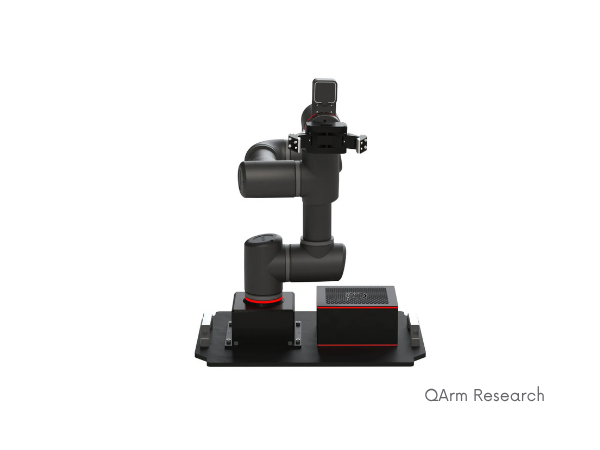
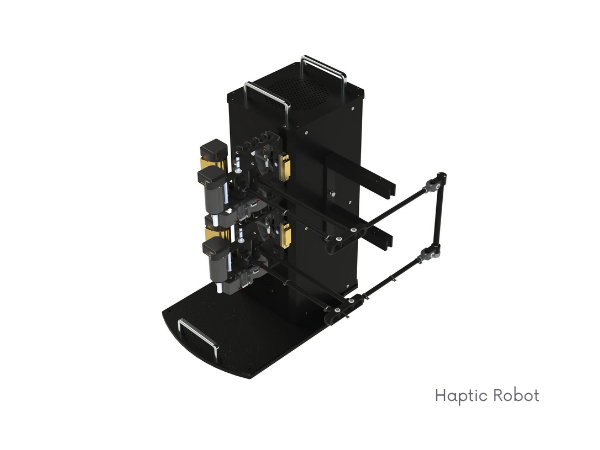
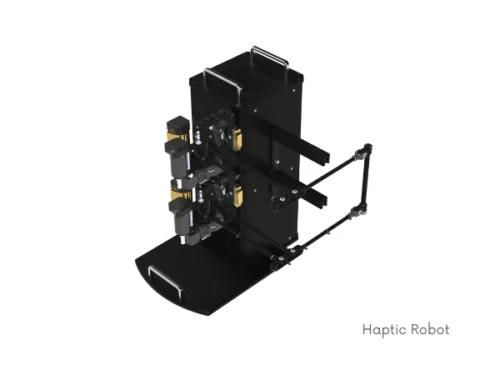
At the core of the laboratory is QArm Research, a six-degree-of-freedom robotic manipulator developed specifically for academic research. Combined with the QBrain NVIDIA-based edge computing unit, the QLabs digital twin, the Haptic Robot for teleoperation and imitation learning, and a Force/Torque Transducer, it provides a comprehensive platform for developing and evaluating intelligent robotic systems.
The laboratory includes a rich collection of ready-to-use applications and examples covering classical robotics, motion planning, perception, control, machine learning, and Physical AI. This allows researchers to focus on developing algorithms and conducting experiments rather than spending valuable time integrating hardware and software components.
The platform supports widely adopted research tools and frameworks, including ROS 2, NVIDIA Isaac, Python, C++, MATLAB/Simulink, and QUARC, making it easy to transition applications between simulation and physical robotic platforms.
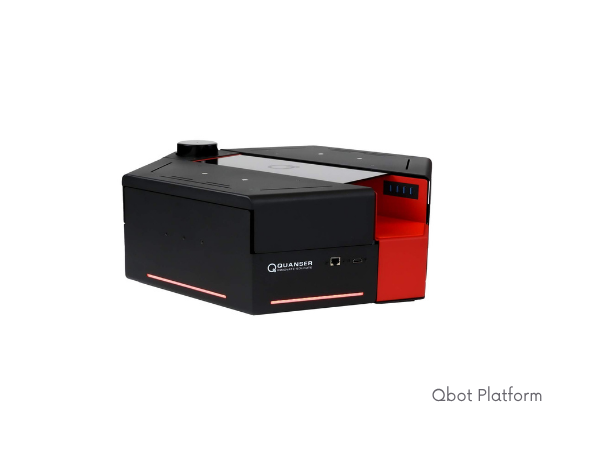
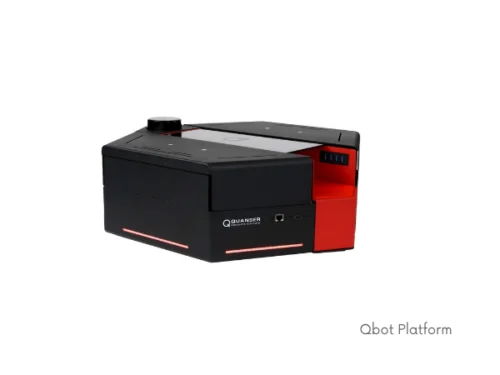
Its modular architecture allows the laboratory to be expanded with QBot Platforms, a Ground Control Station (GCS), and additional communication infrastructure, creating a scalable environment for research in autonomous systems, multi-robot collaboration, and next-generation Physical AI.
What research areas can be explored with the Physical AI Lab?
The lab supports research in robotics, applied AI, and physical AI, including robot control, perception, teleoperation, human-robot interaction, imitation learning, and reinforcement learning. Researchers can develop complete workflows from algorithm development and simulation to deployment and validation on physical hardware.
What is included in the Physical AI Lab?
The core configuration includes the QArm Research manipulator, the NVIDIA-based QBrain computing node, the Haptic Robot, and force/torque sensing. The lab also provides digital twins, software tools, and ready-to-use research examples.
Which software environments and tools are supported?
The platform supports ROS 2™, NVIDIA Isaac®, Python®, C++, MATLAB®, and Simulink®. Integration with QUARC® and digital twins in Quanser Interactive Labs (QLabs) supports different workflows used in robotics, control, and AI research.
Can algorithms be transferred from simulation to physical hardware?
Yes. The Physical AI Lab connects simulation, training, and validation on physical robotic hardware. Researchers can develop and test algorithms in a virtual environment and then deploy them to the real robotic system.
Can the lab be expanded with other robotic platforms?
Yes. The system has a modular architecture and can be extended with QBot Platform mobile robots. This enables research with heterogeneous robotic systems, including experiments that combine robotic manipulators and mobile robots.